Operations · 8 min read
Pool Construction Timeline: Every Phase From Permit to Plaster, and How to Schedule It

A pool construction timeline moves through design and permitting, site preparation, structural work, rough-in, inspections, finish work and startup. The actual sequence and duration depend on the pool type, plans, local requirements, site conditions, material availability and confirmed crews; there is no reliable universal finish date.
This guide describes a typical concrete-pool planning framework from permit to plaster and handoff. It is not an engineering sequence or local inspection checklist. Fiberglass installations, renovations and unusual sites require a different plan approved by the responsible professionals.
Build a readiness schedule before a date schedule
A calendar date tells you when work is expected. Readiness tells you whether it can begin. For each phase, identify the predecessor work, responsible person, materials, subcontractor confirmation and applicable approval that must be in place.
Keep provisional dates distinct from confirmed arrangements. An excavation booking may depend on permit release and access. A finish crew may depend on approved material and completed preparation. The schedule should explain those relationships instead of presenting every task as independent.
BidBuild's Schedules offers calendar and Gantt views with dependent date movement. Moving a phase can move linked work, but the project manager still confirms real-world readiness. Treat the revised dates as a plan to review, not evidence that an inspector or subcontractor has accepted them.
Design, approvals and permit preparation
Before construction, confirm the project documents and who is responsible for submissions and approvals. Site plans, engineering, utility information and other requirements depend on the property and authority. Do not substitute a software template for those requirements.
Track outstanding questions and keep the current plan identifiable. If the design changes during review, make sure the estimate, proposal and affected specifications are checked. The crew should not begin from an earlier version because it happened to be the easiest file to find.
A permit request is not a released permit. Record the actual status and any conditions that need action. When a reviewer asks for information, assign the response and revise downstream expectations rather than hoping the original date will hold.
Site preparation and access
Review equipment access, protection of existing property, staging areas, delivery arrangements and any required utility-location process before excavation. Confirm the responsibility for work performed by others. Access limitations can affect equipment choice and the sequence of deliveries.
Photograph relevant conditions and store the information with the job. A photo can explain a narrow access route, but the contractor still needs to decide whether the planned equipment and method are appropriate. Keep the decision separate from the observation.
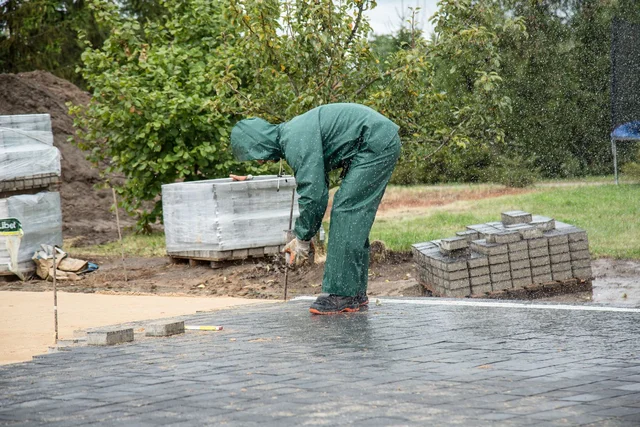
For a fictional Florida project, rain may leave the planned access unusable. The project manager checks the condition, discusses the revised plan with the affected crew and updates the homeowner. The example does not establish a fixed weather allowance or a guaranteed delay length.
Excavation and discovered conditions
Excavation should follow the approved design and responsible professionals' directions. Record any condition that differs from the assumptions used in the estimate. The next action may require investigation, a technical decision or a contract change before related work proceeds.
Do not treat contingency as permission to ignore an unexpected condition. BidBuild connects contingency from product items through proposals into the job after any discount, making the remaining buffer visible alongside overruns. The team still determines the safe method and the contractual response.
Use the contingency guide to separate cost uncertainty from customer-requested additions. If the work or price changes, preserve the explanation and required approval in the job record.
Structural preparation, steel and rough-in
The relationship between reinforcement, forms, plumbing, electrical and other rough-in work depends on the pool design and inspection requirements. Confirm the sequence with the responsible trades and authorities. Do not impose a generic order where local practice or engineering differs.
Give subcontractors the current plans, specifications and scope. Identify unresolved coordination questions before mobilization. BidBuild's Work Orders organizes the scope sent to subcontractors, while recorded questions can keep the resulting answers accessible to the office and field.
Include a readiness check before work that will cover or make earlier work inaccessible. The responsible professionals must verify what is required, whether it has been completed and whether the next activity is authorized.
Inspection gates before covered work
An inspection gate belongs in the schedule wherever the applicable authority requires it. Track the request, confirmed appointment, outcome and any correction needed. “Inspection scheduled” and “inspection passed” must remain distinct statuses.
BidBuild's Inspections keeps inspection records within the job. It does not replace the authority, certify compliance or guarantee an appointment. Your staff must obtain and record the actual result.
If a correction is required, assign it and identify affected downstream work. Do not shift every date blindly without checking materials and crew availability. A dependency model shows what is affected; the project manager decides the revised working plan.
Shell placement and required care
Structural placement must follow the approved design, qualified trade requirements and relevant standards. Ask the responsible professional what preparation, placement and care are required for the specific materials and conditions. Avoid using a generic blog timeline as instructions for curing or structural acceptance.
Record the completion information and required next steps. Keep the applicable inspection or professional evidence with the phase. A photograph of the shell is useful progress information, not proof that every technical requirement has been met.
Do not schedule finish work merely because the shell visually looks ready. Confirm the prerequisites with the responsible trades and product instructions. The difference between an apparent finish and an approved next step belongs in the working schedule.
Tile, coping, decking and equipment coordination
Release materials against the approved selection and specification. Check supplier availability and delivery conditions before confirming installation. If a product becomes unavailable, document the substitute and obtain the relevant approval before the field treats it as final.
BidBuild's Selections records customer-approved materials after job conversion. Keep that record aligned with the order and the work instructions. A sales inspiration picture should not compete with the selected product when the crew arrives.
Coordinate deck work, equipment installation and access carefully. The exact order varies by design and site, and an earlier surface can limit later deliveries. Ask each trade what it needs, then establish dependencies based on those answers.
Interior finish, filling and startup
The finish installer and product guidance determine readiness, application conditions and the required follow-on process. Confirm who manages filling, startup and customer instruction. Do not publish a universal wait period or chemical procedure that may not fit the finish and equipment.
Keep the homeowner informed about access restrictions and responsibilities. Confirm the relevant inspections and professional approvals before representing the pool as ready for use. The schedule is a communication tool, not authorization to bypass safety or compliance requirements.
At handoff, make the installed equipment information available and explain the service-request process. BidBuild Connect provides client schedules, payments due and equipment access through the equipment-panel barcode. That record remains useful when a question arises after construction.
Connect milestones to costs and billing evidence
A phase may trigger a payment request under the contract, but completion must be documented accurately. Keep relevant photographs, inspection information and costs organized. Confirm any lender's evidence requirements rather than assuming your normal customer invoice is sufficient.
BidBuild's Job Financials keeps budgets, purchase orders, bills, invoices, contingencies and changes together. Your office still prepares and submits lender draw paperwork. Read the phased draw guide for that distinction.
Check the schedule and financial record together. An approved change can affect both cost and timing. If one is updated without the other, the team may promise a phase that has not been priced or bill work that is not actually complete.
Review the plan whenever conditions change
Use a repeatable review: identify the changed condition, affected work, required decisions and people who need an updated plan. Confirm the next action before giving the homeowner a new expectation. Preserve the reason for the revision so later questions have context.
BidBuild’s AI specialists can help prepare a schedule draft for approval. They do not inspect the property, independently confirm crews or run construction autonomously. The project manager reviews dependencies and real-world constraints before applying the plan.
The pool contractor page shows the broader workflow connecting proposals, schedules and contingency. Use your own completed project to test how those records stay aligned when one phase changes.
Frequently asked questions
How long does pool construction take?
There is no universal duration. Pool type, permits, inspections, site conditions, materials and confirmed crews determine the timeline. Obtain a project-specific plan from the responsible builder.
Do concrete and fiberglass pools use the same schedule?
No. Their construction methods and site requirements differ. Use a schedule appropriate to the approved design and verify local requirements with the responsible professionals.
Can work continue after a failed inspection?
Follow the authority's instructions and applicable requirements. Record corrections and affected dependencies; do not treat a scheduled or failed inspection as approval for covered work.
Does moving a Gantt phase confirm the next subcontractor?
No. Dependent dates can move in the software, but staff must still confirm the crew, site readiness, materials and any required approvals.
Plan the next phase with the whole job in view
Bring your construction sequence and a real schedule change to a demonstration. Explore BidBuild pricing for connected scheduling, inspection records and job financials.